

© Jon Hawkins - Surrey Hills Photography
Where to see birds of prey
Take flight!
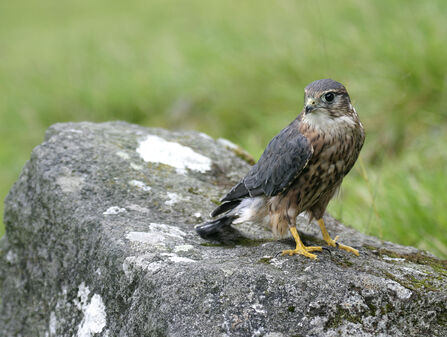
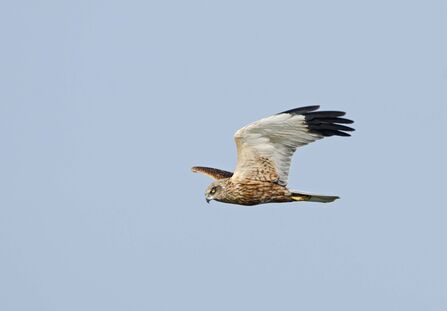
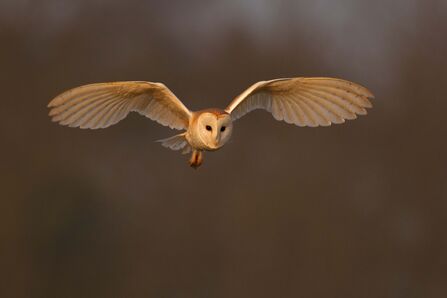
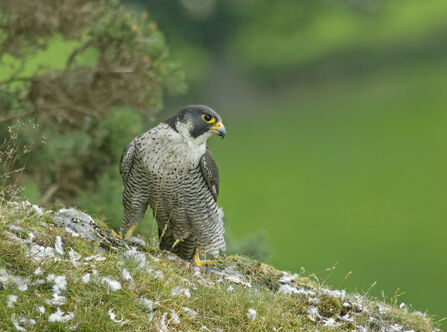
Meet the highly-skilled hunters of the bird world. From ospreys to owls, seeing a bird of prey in action is always an exciting event. Visit one of these nature reserves and you might see a peregrine plunging through the air to strike, a hobby hunting dragonflies in summer, or marsh harriers gathering to roost on a cold winter evening.
©Wildstock
©David Tipling/2020VISION
©Andy Rouse/2020VISION
©John Hawkins
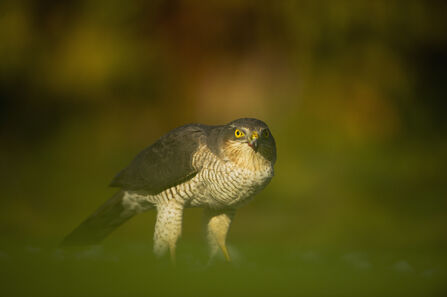
Sparrowhawk © Andrew Parkinson/2020VISION
Find sites near you
These are some of our favourite places to spot birds of prey.
North
Cheshire Wildlife Trust
Red Rocks Marsh - This coastal nature reserve is great for birds, especially during spring and autumn migration. Birds of prey you could spot here include short-eared owl, marsh harrier, kestrel and peregrine falcon.
Cumbria Wildlife Trust
Humphrey Head - The limestone cliffs are perfect for nesting peregrine falcons. There are also great views of Morecambe Bay, where incoming tides push wading birds closer to shore.
Foulshaw Moss - The UK’s most important raised mire (a type of bog) and home to a host of birds of prey. You could spot osprey and hobby in summer and hen harrier and short-eared owl in winter. Other birds of prey to spot include kestrel, buzzard, peregrine, marsh harrier, red kite, goshawk, merlin and tawny and barn owls.
Northumberland Wildlife Trust
Whitelee Moor - Northumberland Wildlife Trust’s largest nature reserve. You could spot a merlin, hen harrier, buzzard, kestrel and sparrowhawk.
Tees Valley Wildlife Trust
Portrack Marsh - Most of this nature reserve floods in winter, attracting hundreds of ducks. You may see kestrel, sparrowhawk, marsh harrier and short-eared owl hunting over the marshland.
Yorkshire Wildlife Trust
Spurn Point - A famous shingle bank in the Humber estuary where merlin, peregrine and hen harrier can be seen hunting the large flocks of waders and small birds during the winter months. Hobby and osprey pass through during spring and autumn migrations. You could even see something rarer, such as a honey buzzard or rough-legged buzzard.
Wheldrake Ings - Great for peregrine in the winter, which seek out prey from the huge flocks of golden plover, lapwing, teal and wigeon. You might also spot merlin, sparrowhawk and common buzzard. During spring and summer, red kite, marsh harrier and hobby are regularly seen. Osprey and hen harrier are seen on migration.
Adel Dam - A little gem of a woodland and wetland nature reserve. Enjoy close up views of the bird feeding station and watch for kingfishers on the lake. Don't forget to look up for birds of prey, as red kites are a common sight, along with sparrowhawks and buzzards.
Midlands
Derbyshire Wildlife Trust
Woodside Farm Nature Reserve - Several owl species have been spotted on this farm and nature reserve, including little owl, barn owl, short-eared owl and long-eared owl. Various other raptor species are also regularly sighted, including kestrel and buzzard. The viewing tower is a great place to scan for birds of prey.
Leicestershire & Rutland Wildlife Trust
Rutland Water Nature Reserve - In spring and summer you can see nesting ospreys. Visit in winter for a chance to see barn or short-eared owls, sparrowhawks, peregrines, kestrels, buzzards and red kites.
Kelham Bridge Nature Reserve - Birds of prey are a speciality of Kelham Bridge. Marsh harrier, hen harrier and the very rare Montagu’s harrier have all been spotted here. The reserve has also had osprey, merlin, peregrine, buzzard and the rare red-footed falcon, which is not usually found in the UK. The bird list for the reserve currently stands at 101 species.
Lincolnshire Wildlife Trust
Gibraltar Point National Nature Reserve - An excellent site for seeing birds of prey on their migration, including buzzards, marsh and hen harriers, red kites and ospreys. All of the UK's owls can be seen here. The reserve has also recorded some rare birds of prey in the past, including snowy owl, white-tailed eagle, rough-legged buzzard and black kite.
Anderby Marsh - Visit for marsh harriers over the reedbeds in summer and hen harriers in winter. Peregrines and merlins are also present in winter. During migration, surprises often drift down the coast, including black kites or the odd white-tailed eagle. Watch the marsh from the Round-and-Round Hide.
Staffordshire Wildlife Trust
Loynton Moss - This nature reserve is mostly an area of Moss, which is a local word for peaty, boggy land. The wetland supports a range of insect and bird species, whilst kestrel and buzzard hunt amongst the rich grassland.
Worcestershire Wildlife Trust
Upton Warren - All of the lakes and pools on this nature reserve make it one of the best birdwatching spots in the county. Peregrine, buzzard, sparrowhawk and kestrel are often seen from the hides. In summer, look out for a hobby chasing dragonflies. Entrance is by WWT membership card or £5 permit on the day or in advance online.
South
Avon Wildlife Trust
Folly Farm - This farm and nature reserve attracts buzzard, kestrel, barn and tawny owl. Rough grassland has been left uncut to provide a `barn owl corridor’ where small mammals such as field vole, mice and shrews thrive. Perfect for hungry owls!
Berks, Bucks & Oxon Wildlife Trust
Warburg Nature Reserve - A wooded valley in the Chilterns with a thriving red kite and buzzard population. You can often watch them soaring or squabbling over the forest and grassland.
Cornwall Wildlife Trust
Hawkes Wood Nature Reserve - A delightful old oak woodland near Wadebridge with two streams and a quarry. This is an exceptional area for woodland birds, including tawny owls, which regularly breed here.
Devon Wildlife Trust
Dawlish Inner Warren - The spit that juts out across the mouth of the Exe Estuary is known as Dawlish Warren. Devon Wildlife Trust owns part of the inward side of the spit, known as Inner Warren, and an area of mudflat and saltmarsh on the north side. Look out for peregrines hunting for wildfowl and wading birds amongst flocks up to 12,000 strong.
Dorset Wildlife Trust
Lorton Meadows - The county’s top reserve for raptor spotting, with breeding kestrel, tawny and barn owl (all of which have featured on live webcams), common sightings of buzzard and sparrowhawk, and a chance of seeing marsh harrier, peregrine and short-eared owl.
Gloucestershire Wildlife Trust
Coombe Hill Canal & Meadows - This ancient landscape is a very special site for wetland birds, particularly waders and migrating waterfowl. These of course attract attention; watch out for birds of prey including hen harrier, peregrine falcon and goshawk.
Hampshire Wildlife Trust
Farlington Marshes - One of the Solent’s prime bird locations – a grazing marsh and high-tide refuge for thousands of waders and wildfowl in winter. It’s also a great place to see peregrine falcons: look out for young peregrines learning to hunt and causing chaos by frightening huge flocks of potential prey.
Somerset Wildlife Trust
Westhay Moor National Nature Reserve - Huge flocks of starlings on the Somerset Levels in autumn and winter mean this wetland nature reserve is a great place to see birds of prey, including peregrines, sparrowhawks and buzzards, along with barn owls. These hunters cause the starling murmurations to shape-shift in the sky. You can see birds of prey here all year, including marsh harriers.
Surrey Wildlife Trust
Barossa & Poors Allotments - This large heathland with wet areas, woodland and scrub is great for hobby, kestrel, sparrowhawk, buzzard, great grey shrike, red kite and tawny owl. Goshawk has also been recorded on the site.
Wiltshire Wildlife Trust
Blakehill Nature Reserve - The largest of Wiltshire Wildlife Trust’s nature reserves and one of the biggest expanses of hay meadow in the UK. It's a refuge for wildlife including buzzard, kestrel, sparrowhawk, owls, peregrine, and merlin in winter.
East
Beds, Cambs & Northants Wildlife Trust
Great Fen - This vast fenland landscape is fantastic for birds of prey, particularly short-eared owl and marsh harrier.
Essex Wildlife Trust
Fingringhoe Wick - Daily bird of prey sightings usually include peregrine, marsh harrier, sparrowhawk and kestrel with the occasional buzzard. In the winter, merlin and hen harrier can be seen. During spring and summer, hobbies are regularly seen hunting the many dragonflies, and osprey can be seen on migration. Barn and little owls also visit.
Hertfordshire Wildlife Trust
Tring Reservoirs Nature Reserve - Four reservoirs fed by natural springs set in the Chilterns, this reserve attracts a huge variety of birds. Wilstone Reservoir is one of the most famous spots for birdwatching in southern England – visit the hide there in early May to get exceptional views of hobbies hunting. Also good for regular sightings of marsh harriers and ospreys.
Norfolk Wildlife Trust
Hickling Broad - The largest expanse of open water in the Broads, with one of the UK's best bird of prey spectacles. From near Stubb Mill in winter, you can see up to 100 marsh harriers fly in at sunset to roost on the reserve. Also merlin, hen harrier, barn owl, buzzard, kestrel, sparrowhawk – and around 40 common cranes in the reedbeds.
Cley Marshes - The oldest Wildlife Trust reserve in the country, Cley is a fantastic place for views of marsh harriers. As well as being seen from the reserve’s network of hides, they can often also be spotted from the comfort of the visitor centre’s café.
Suffolk Wildlife Trust
Hen Reedbeds - Hen Reedbeds is a blend of reedbeds, fens, dykes and pools created in 1999 to provide new breeding habitat for bittern and other wildlife. Look out for raptors such as marsh harriers, hobbies and buzzards, as well as appearances by bearded tits and kingfishers.
Snape Marshes - Barn owls and short-eared owls are amongst the birds of prey possible here. Barn owls have nested in owl boxes on the site.
Wales
Montgomeryshire Wildlife Trust
Cors Dyfi - Famous for its osprey in summer (plus honey buzzard), but in winter the tower hide also gives regular sightings of red kite, buzzard, marsh and hen harrier, goshawk, kestrel, sparrowhawk, peregrine and merlin.
Radnorshire Wildlife Trust
Gilfach - The whole reserve is specially protected because of its importance for birds of prey and corvids (the name for crows and their relatives). Look for raven, peregrine, goshawk, red kite, buzzard and merlin, as well as barn and tawny owl.
Wildlife Trust for South and West Wales
Skomer - Puffin lovers beware - large gatherings of puffins and other seabirds attract a variety of aerial predators that are not shy about their business. Look out for peregrine, sparrowhawk, kestrel and buzzard, as well as short-eared owl, raven and great black-backed gull.
Scotland
Scottish Wildlife Trust
Ben Mor Coigach - Perhaps Scotland’s best winter reserve for birds of prey, with a chance of spotting both merlin and golden eagle. Coigach is one of the Trust's largest reserves and plants and animals must be hardy to survive this wild place.
Northern Ireland
Ulster Wildlife Trust
Isle of Muck - This impressive island nature reserve, off Islandmagee in Co. Antrim, contains the third largest colony of cliff-nesting seabirds in Northern Ireland. Kittiwake, guillemot, fulmar and razorbill all breed here and, perhaps not surprisingly, peregrine falcons commonly hunt over the island.
Ballynahone Bog - Northern Ireland’s second largest area of intact raised bog – teeming with wildlife. Look out for special birds in Northern Ireland like hen harrier, curlew, skylark, song thrush, bullfinch, linnet and reed bunting. Catch a glimpse overhead of sparrowhawk, buzzard and kestrel.
The Channel Islands
Alderney Wildlife Trust
Longis Nature Reserve - The bird hides at Mannez and Longis are excellent places to watch nesting wildfowl in summer as well as winter visitors. Many raptors pass through on migration, but the area is also home to buzzard, kestrel, peregrine falcon, barn owl and long-eared owl.
What to look for
Winter can be a great time of year to look for birds of prey. Some, such as marsh harriers or long-eared owls, may come together to form collective winter roosts. Others, such as peregrine falcons and merlins, take advantage of flocking waders and water birds arriving at favoured wetland habitat and can be seen hunting in the open.
In spring and summer, our resident birds of prey are also boosted by the arrival of migrant birds like hobbies and ospreys, as well as the occasional rarity. Long-lived birds often return to the same breeding site every year, so some nature reserves give you the chance to see them on their nests.
If you can't get to these places
Don't worry! You can enjoy birds of prey almost anywhere. See if you can spot a sparrowhawk whooshing through a park or garden, on the hunt for small birds. Keep an eye out for kestrels hovering over roadsides and fields. Look out for peregrines pursuing pigeons between city skyscrapers. Nature is all around us.